


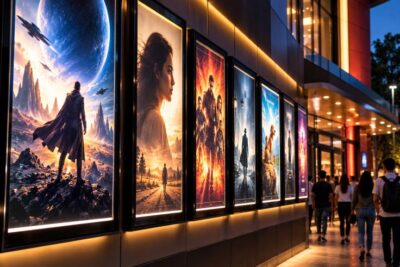
 Original and filmmaker-driven movies became an unusually visible part of Hollywood’s strong 2026 theatrical season. The $4.61 billion U.S. summer box office included huge franchise releases, but unexpected successes such as Obsession and Backrooms showed that audiences were also willing to spend money on stories without decades of established brand recognition. Rentrak data placed the overall summer total 26.1% above 2025.
The results complicate the familiar idea that recognizable intellectual property is always the safest route to theatrical success. Major franchises still produced some of the year’s biggest movies, while smaller and newer concepts competed for attention through distinctive ideas, strong filmmakers and online enthusiasm. Research from National Research Group and TheWrap had already found growing audience interest in fresh ideas and standalone stories heading into 2026.
Audiences Have Not Stopped Watching Franchises
Calling the trend simple franchise fatigue misses an important point. Spider-Man: Brand New Day became one of the dominant films of the summer. Toy Story 5 also contributed to the box-office rebound. Familiar characters can still create urgency when audiences believe a new installment offers a worthwhile experience.
Other established properties had more difficulty. The Mandalorian and Grogu finished with a far weaker global result than some newer films, while the live-action Moana and Supergirl also disappointed relative to expectations, the Associated Press reported. The contrast suggests brand recognition alone is becoming less reliable.
What Changes When a New Idea Becomes an Event?
Originality does not automatically create a hit either. What appears more important is whether viewers see a reason to go immediately.
Obsession provides an extreme example. Directed by Curry Barker and made for less than $1 million, the film surpassed $500 million worldwide, according to figures reported by the Associated Press. Backrooms, directed by Kane Parsons, earned about $394 million worldwide from a reported $10 million production budget. Both filmmakers entered Hollywood with existing connections to younger online audiences.
Their success shows how theatrical discovery is changing. Social platforms can help relatively unfamiliar movies gain attention quickly. A strong concept can become an event without first belonging to a decades-old entertainment property.
Selective Audiences Create a Harder Test for Sequels
The distinction may therefore be less about sequels versus originals and more about perceived value. Surveys from Enact Insight found audiences showing greater enthusiasm for opening-weekend moviegoing during the summer, while studios offered more original stories alongside familiar properties.
Consumers now have countless entertainment choices at home. A franchise name may earn initial awareness, but awareness does not guarantee a ticket purchase. Viewers can wait for streaming when a sequel feels optional. A distinctive film with strong word of mouth may create greater urgency despite having no familiar characters.
Where Could Studio Spending Go Next?
Hollywood is unlikely to abandon franchises. Established properties can support merchandise, streaming libraries and international marketing campaigns. Their commercial value reaches far beyond theatrical tickets.
Yet 2026 gives studios another reason to diversify. Lower-budget films reduce financial exposure, while filmmaker-led projects can produce large returns when they connect with audiences. The strongest lesson is therefore not that sequels are finished. It is that audiences appear increasingly willing to judge individual movies rather than automatically rewarding familiar brands.
If that behavior continues, studios may spread more investment between major franchises and distinctive original projects. That could create a healthier theatrical market, one where recognition still matters, but a genuinely compelling reason to visit the cinema matters more.