


The digital marketing landscape has evolved to include various engagement strategies that promise rapid audience growth. Active follower packs represent one such approach, offering curated groups of engaged users who interact with content through likes, comments, and shares. These packages typically include followers who demonstrate consistent activity patterns rather than dormant accounts that provide only numerical increases.
While these marketing tools focus on metrics and reach, they exist alongside much broader cultural shifts that are reshaping entire industries. The entertainment sector, particularly cinema, exemplifies how diversity and inclusion movements are transforming creative landscapes in ways unimaginable.
Foundation of Cinematic Representation
Historical patterns of representation that favored homogeneous narratives are giving way to more inclusive storytelling that reflects global audiences. This shift represents more than superficial casting changes; it encompasses fundamental alterations to how stories are conceived, developed, and produced.
Breaking Down Systemic Barriers
The film industry has implemented structural changes to address historical exclusion in creative roles. Mentorship programs, development initiatives, and funding opportunities specifically target underrepresented creators at various career stages. These efforts aim to build sustainable pipelines for diverse talent.
Production companies increasingly recognize that diverse creative teams produce more innovative and commercially successful content. Research demonstrates that films with diverse casts and crews often outperform homogeneous productions in both critical reception and financial returns.
Impact on Storytelling Techniques
Diverse perspectives have introduced new narrative structures and storytelling approaches that challenge conventional formulas. Traditional three-act structures are being supplemented by cultural storytelling traditions from various global communities. These innovations enrich cinematic language and provide fresh approaches to familiar themes.
Audience Response and Market Dynamics
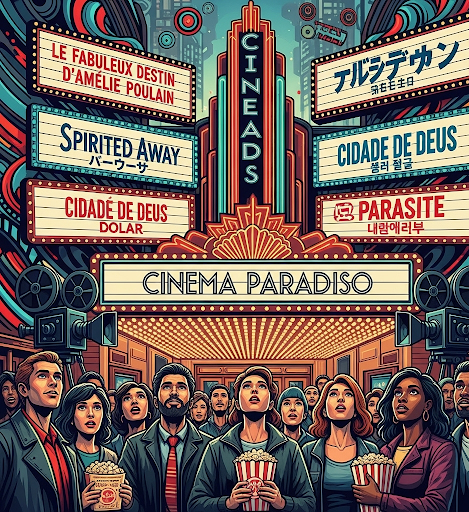
Audiences today demonstrate strong appetite for authentic representation across all demographic categories. Social media platforms enable rapid feedback loops between creators and consumers, allowing communities to voice support for inclusive content and criticism of problematic representations.
The success of films featuring diverse casts and stories has proven that representation enhances rather than limits commercial viability. Box office performance data consistently shows that inclusive films reach broader audiences and generate stronger word-of-mouth promotion.
Challenges in Implementation
Despite progress in representation, the industry continues to grapple with systematic inequalities in executive positions and decision-making roles. The gatekeeping function of studios, agencies, and financial institutions still reflects historical power structures that can impede comprehensive change.
Creative differences sometimes arise when diverse perspectives challenge established industry conventions.
Navigating these conflicts requires ongoing dialogue and compromise between stakeholders with varying cultural backgrounds and artistic visions.
Global Perspectives and Cultural Exchange
International co-productions have become increasingly common as studios seek to combine diverse creative perspectives with expanded market access. These collaborations require careful negotiation of cultural sensitivities and artistic approaches that respect all participating communities.
Film festivals worldwide have adapted their programming to highlight diverse voices and stories that might otherwise struggle to reach mainstream distribution channels. These platforms serve as crucial stepping stones for emerging creators from underrepresented backgrounds.