


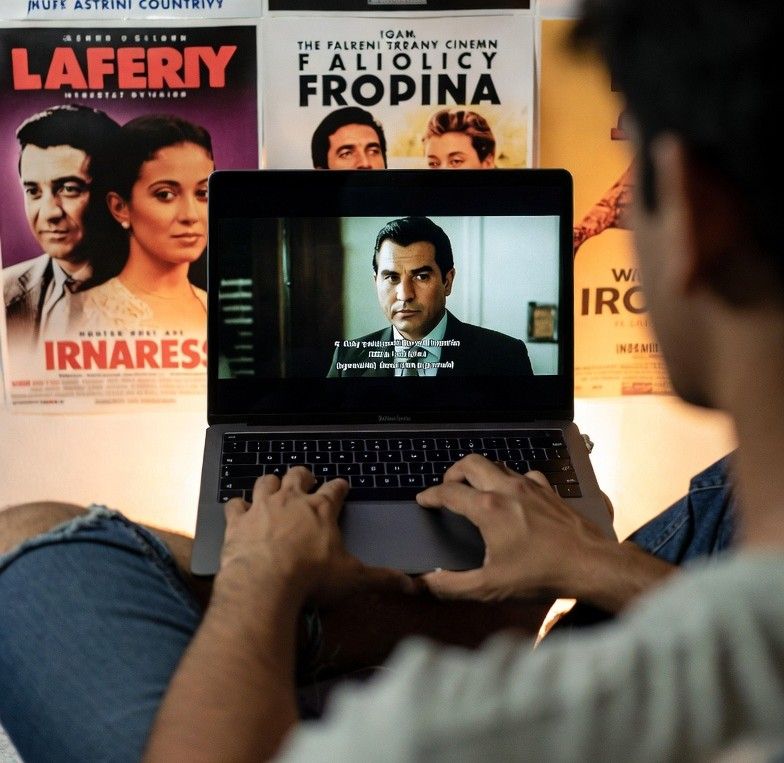
Regular viewing of non-English language films and TV shows has increased by about 24% in English-speaking countries since 2020, according to research from Ampere Analysis. The numbers say something simple but powerful. Movie fans are curious about stories beyond their borders. Streaming platforms made that curiosity easy to satisfy, turning foreign films from niche festival picks into late-night couch discoveries.
Once upon a time, catching an international film meant waiting for a limited theater release or hunting down a dusty DVD at a specialty shop. Now a viewer can open a browser, scroll through global titles, and decide. There is no need to go to cinema to watch a thriller from South Korea or a French drama. Platforms like CimaNow sit right in that sweet spot. They promise instant access to international films that once felt distant or exclusive.
The Streaming Shortcut to Global Cinema
Foreign films used to travel slowly. A festival premiere in Cannes. A few theater screens in major cities. Maybe a late arrival on home video months later. Streaming flipped that timeline on its head.
Suddenly, a film produced in India or Spain can reach audiences around the world almost overnight. A famous example is the Indian blockbuster RRR, which exploded globally after its streaming release and trended in more than 90 countries online. That kind of reach would have been unimaginable twenty years ago.
The shift has sparked widespread discussion about how streaming platforms are changing cinema, especially as more viewers turn to online platforms instead of waiting for limited theatrical runs. Streaming services allow films to cross borders quickly, bringing international storytelling directly to home screens.
The secret is simple. Digital distribution removes the limits of physical theaters. A single server can deliver thousands of films to millions of viewers. Subtitles and dubbing help audiences cross language barriers, while algorithms recommend titles viewers would never find on their own.
For movie lovers, this feels a bit like discovering a secret international film festival that never closes.
Why Movie Fans Are Embracing Foreign Films
Convenience is the obvious reason. Press play and the movie starts. No commute. No overpriced popcorn. Pajamas welcome.
But the appeal runs deeper than comfort. Streaming audiences are discovering that foreign films often tell stories Hollywood ignores. Scandinavian crime dramas feel colder and darker. Korean thrillers push emotional intensity to the edge. Latin American magical realism brings a style that feels almost dreamlike.
Industry data shows that foreign-language content now accounts for a growing share of global streams, driven by younger viewers who enjoy exploring new cultures through film. Streaming platforms benefit too. Diverse catalogs help them compete in a crowded entertainment market.
Global storytelling is no longer a side dish. It is becoming part of the main course.
The Rise of Niche Streaming Platforms
While major platforms like Netflix and Prime Video dominate headlines, smaller streaming sites quietly fill important gaps. That is where platforms like CimaNow come in.
These sites often focus on specific types of content, such as foreign movies, regional cinema, or older titles that larger services overlook. For fans of international storytelling, that specialization can be refreshing.
Think of it like a neighborhood bookstore versus a giant online retailer. The selection may be narrower, but it often feels more curated and intentional.
Of course, the experience varies. Some viewers praise the access and variety. Others point out that discovering reliable sources or consistent subtitles can sometimes feel like a mini treasure hunt.
Still, many viewers keep returning to these platforms because they offer something valuable. They open doors to film industries that rarely appear in local theaters.
The Challenges Behind the Convenience
The digital cinema shift is not perfect. Far from it.
Film distributors worry about piracy and revenue losses when movies circulate freely online. Independent filmmakers face a different challenge. Visibility. With thousands of titles competing for attention, great films can easily get buried under endless scrolling.
Streaming also changes how audiences watch movies. The theater experience encourages focus. Lights off, phones away, giant screen in front of you. At home, distractions lurk everywhere. Notifications buzz. Snacks call from the kitchen. The pause button sits one click away.
Some filmmakers argue that certain stories deserve the immersive power of a theater. They have a point. A quiet art-house drama can feel different when watched between laundry loads.
Still, audiences clearly value flexibility. The ability to explore global cinema at their own pace is hard to resist.
What This Means for the Future of Cinema
The rise of streaming does not mean theaters will disappear. Cinemas still offer something special. The shared laughter of a comedy crowd. The collective gasp during a suspenseful moment.
But digital platforms are reshaping how foreign films travel. Instead of waiting for a rare theater screening, audiences can discover new voices anytime. That discovery process is changing taste as well. Viewers who binge Korean dramas one month may explore Italian crime films the next.
Platforms like CimaNow reflect this shift. They remind viewers that world cinema is no longer locked behind festival gates or limited releases. Sometimes there really is no need to go to cinema when the global film library sits just a few clicks away.
The future of cinema might not belong to one screen or one country. It belongs to the endless scroll of stories from everywhere.